
PRISMA Metal Detectors
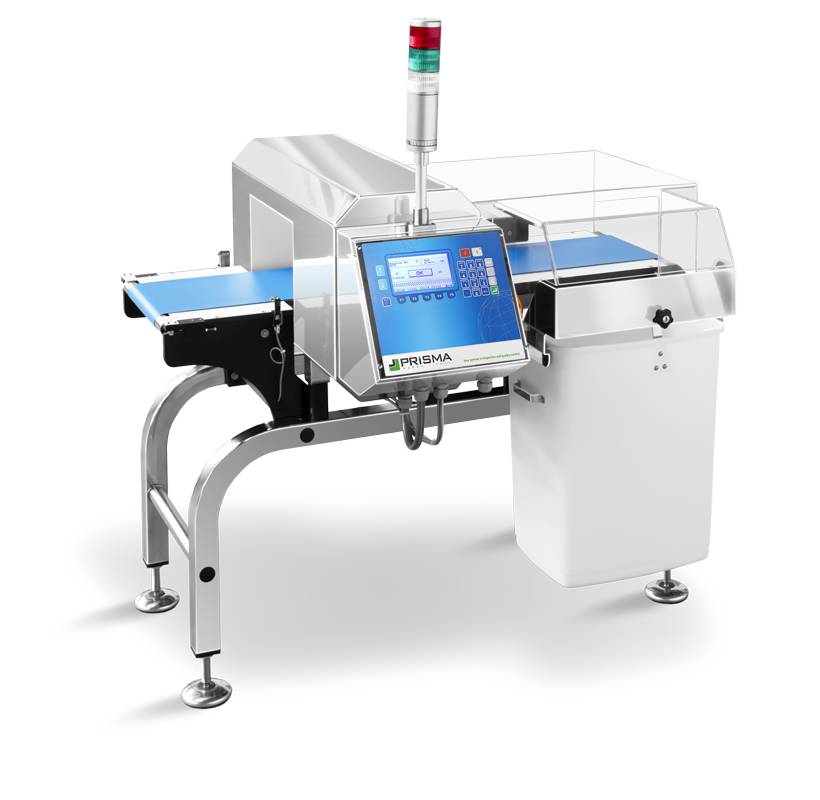
MFN11 with 60 conveyor
Conveyor metal detector for food industry, ideal for inspecting small and medium sized loose and packaged products. The multi-frequency electronics, combined with advanced functions – like self-check, automatic calibration and tracking – guarantee top level performance and fully meet the most common standards (including, among others: BRC, Marks & Spencer…) and the need to minimise false rejects. The possibility of configuring both conveyor stop and the rejection and reject collection systems allows you to configure the machine based on the checking needs and the available budget. A wide range of available accessories allows you to configure the machine in the most suitable way to inspect the most common formats in the food industry like:...
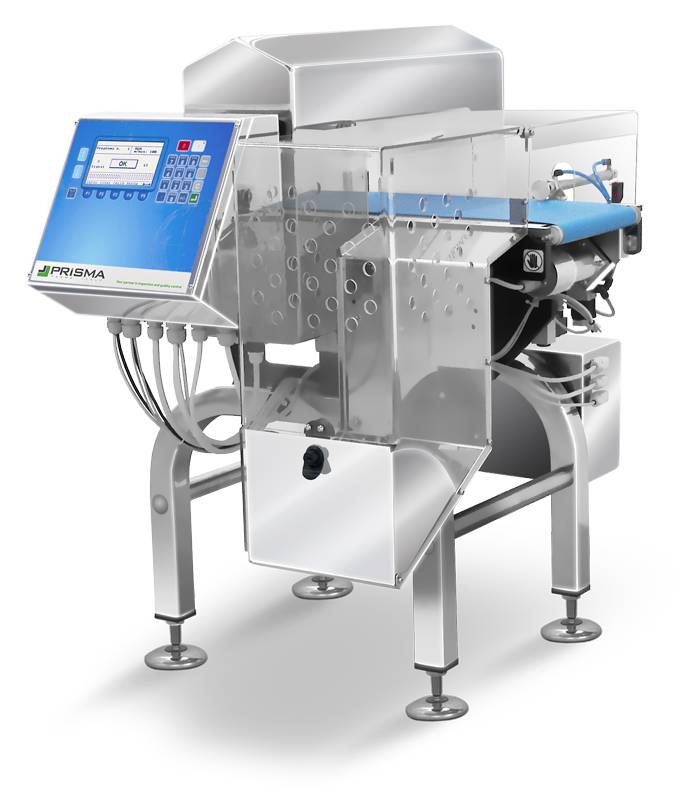
MFS11 Inspection systems
The convenience of using a metal detector is closely related to the HACCP principles. What is HACCP? HACCP stands for Hazard Analysis and Critical Control Points and consists of a series of analysis and procedures aimed at guaranteeing the safety of the product, protecting it from biological, radiological, chemical and physical risks. An HACCP example is to identify the critical control points (CCPS), i.e. a phase of the production line in which a specific control eliminates or drastically reduces the risk that a contaminated product continues on the line and gets on the market. One of the main risks is that a metal contaminant (nails, screws, coins, metal scrap,...
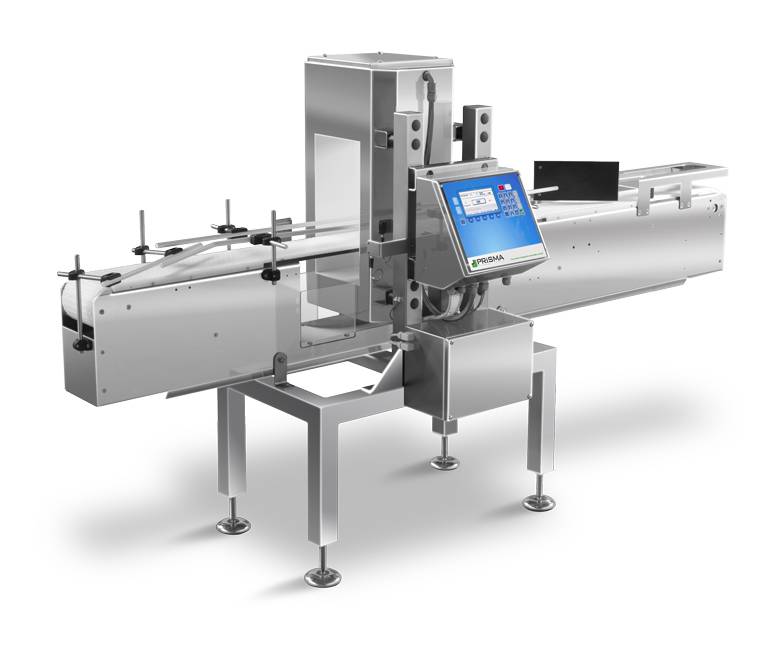
MFN11 with 54 conveyor
Food metal detector with specific conveyor for open bottles and jars, which are characterized by high instability and risk of product spillage. The system is placed in by-pass next to the production line, immediately after filling the cylindrical package and before closing it. The product is picked up from the customer’s line, moved laterally on the machine and passed inside the metal detection head, placed vertically to adapt to the shape of the package. If contaminants are present, the product remains on the machine, in the dedicated waste collection area. Otherwise, the package is redirected to the customer’s line, which will take...
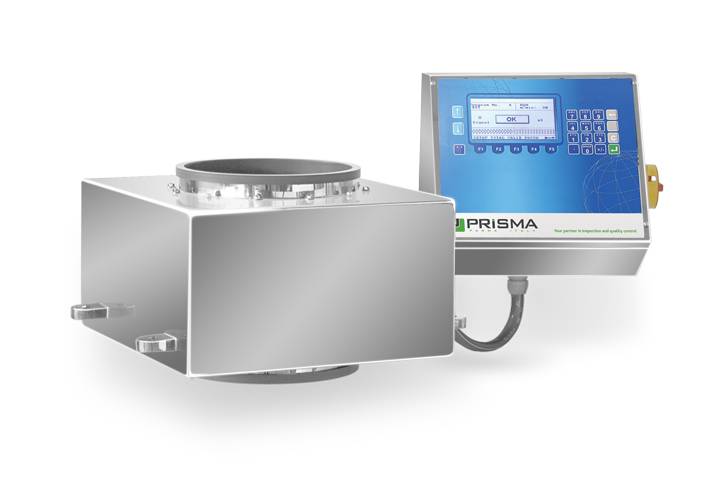
MDC11
Vertical Metal detectors for granular and powder products in high flow tubing and piping. The instrument is used in vertical packaging lines: the product goes through the circular transit aperture which, upon detecting metal contaminants, emits an alarm, allowing it to be removed. The MDC11 is positioned immediately upstream of the packaging machine, just before the product falls into the package, in order to exclude the possibility of further contaminants getting in between detection and closing the package, which can be made from any material. The transit aperture is made with inert materials that ensure the coil is completely sealed. The multi-frequency electronics, combined with advanced functions – like self-check, automatic calibration and tracking –...
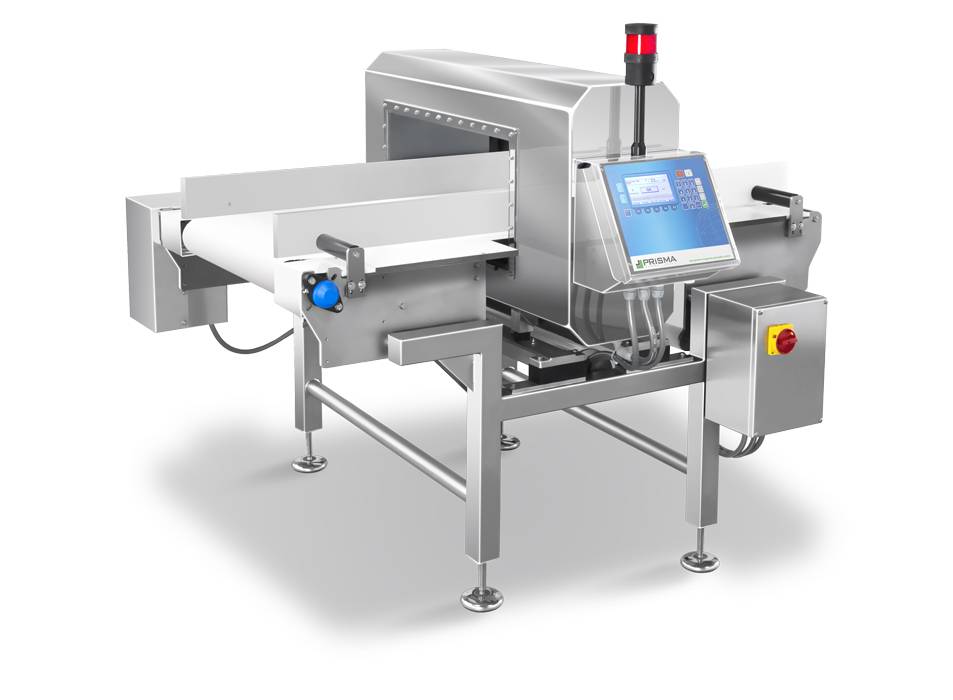
MFN11 with 70 conveyor
Conveyor metal detector for medium and large sized loose and packaged products. The multi-frequency electronics, combined with advanced functions – like self-check, automatic calibration and tracking – guarantee top level performance and fully meet the most common standards (including, among others: BRC, Marks & Spencer…) and the need to minimise false rejects. The possibility of configuring both belt stop and the reject collection systems allows you to configure the machine based on the checking needs and the available budget, always ensuring product safety and brand protection. A wide range of available accessories allows you to configure the machine in the most suitable way to inspect the most common formats in the food sector like:...
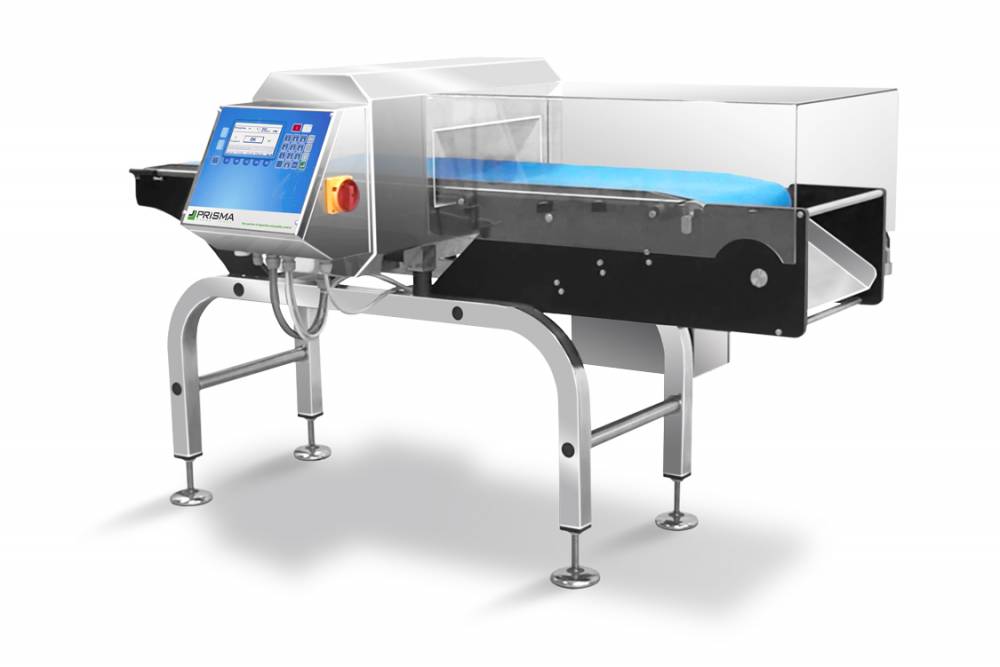
MFN11 with double chute flap
This is a special configuration of the MFN11 industrial metal detector, ideal to inspect flows of loose granular product like grains, coffee beans, candies, etc. The conveyor belt is equipped with an outfeed chute which, when a contaminant detected by the metal head passes, turns on itself, going into counterflow and thereby diverting the range containing the contaminant downward and preventing it from continuing down the line.
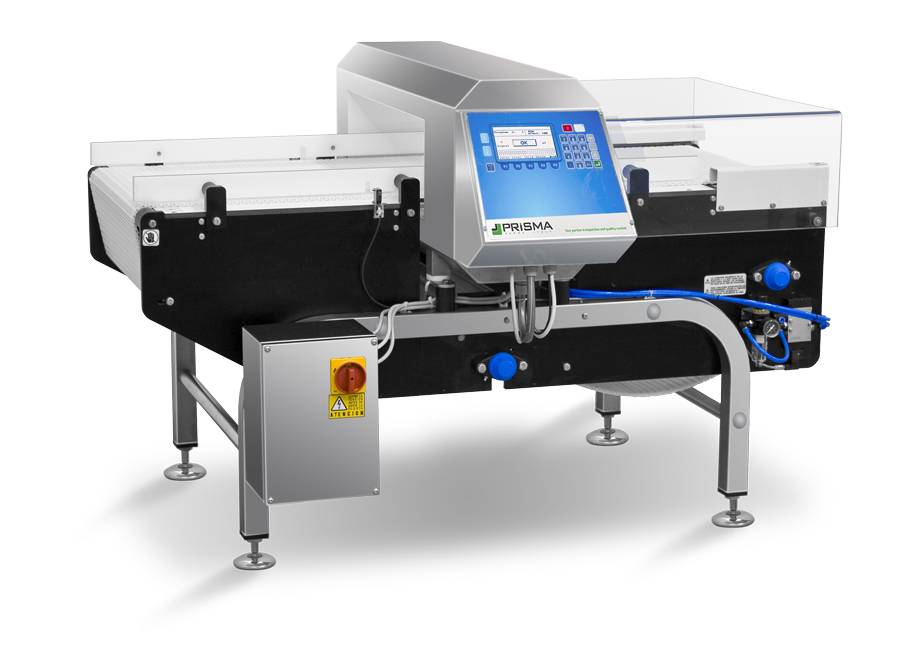
MFN11 with retracting reject 61 conveyor
This is a special configuration of the MFN11 metal detector for food industry, specifically for inspecting loose products, equipped with a modular chain and a retracting diverter system, which works via the rotation of two fixed plastic heads. When a contaminant detected by the metal head goes by, the upper head retracts while the lower one emerges to the outer edge of the belt clearance, thereby creating a chute to unload the range with the contaminated